
A Holistic Guide to Preparing for Ramadan: Mind, Body, Heart & Soul
February 7, 2026
Fitness Can Save Your Life
September 14, 2026Are you quitting too soon?
In my little over a decade as a fitness professional, I’ve seen the same pattern derail more goals than bad genetics or poor technique ever could. It’s not a lack of effort—it’s a lack of patience. Trust me, I have done it more times than I can remember (been there, done that). I'm not going to claim it's easy or that it does not take serious work, because it is not and it does. The question is, how much do you really want it? Are you willing to work on making the necessary changes that will eventually help you feel better?
The reality is, you have to put in the work for change to happen. It's not magic and it won't be fast, but when it does happen, it is magical. Our bodies are a wonder 
Now, let’s talk about the three hidden behaviors killing your progress—and how to outsmart them for good.
1
The “One-Week Trap”
Giving Up Before the Real Work Begins
You start a program. You crush the first week. You step on the scale. Nothing changed. So you quit.
Here’s the truth most won't tell you: Significant physiological changes take 8–12 weeks to become visible. Your body spends the first month adapting internally—improving blood flow, nerve efficiency, and metabolic function. You’re getting fitter long before the mirror reflects it.
Fix it: Measure adherence, not results. If you stuck to your plan for 30 days, that is the win. The physique follows the process.
2
The Scale Obsession
Why Weight Loss Is a Distraction
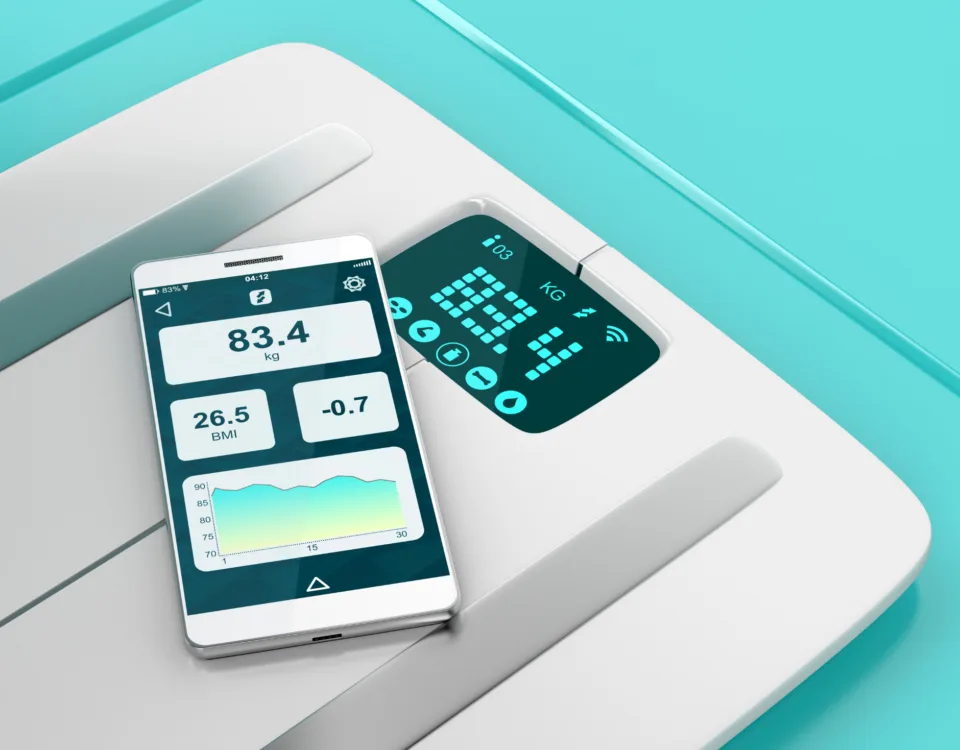
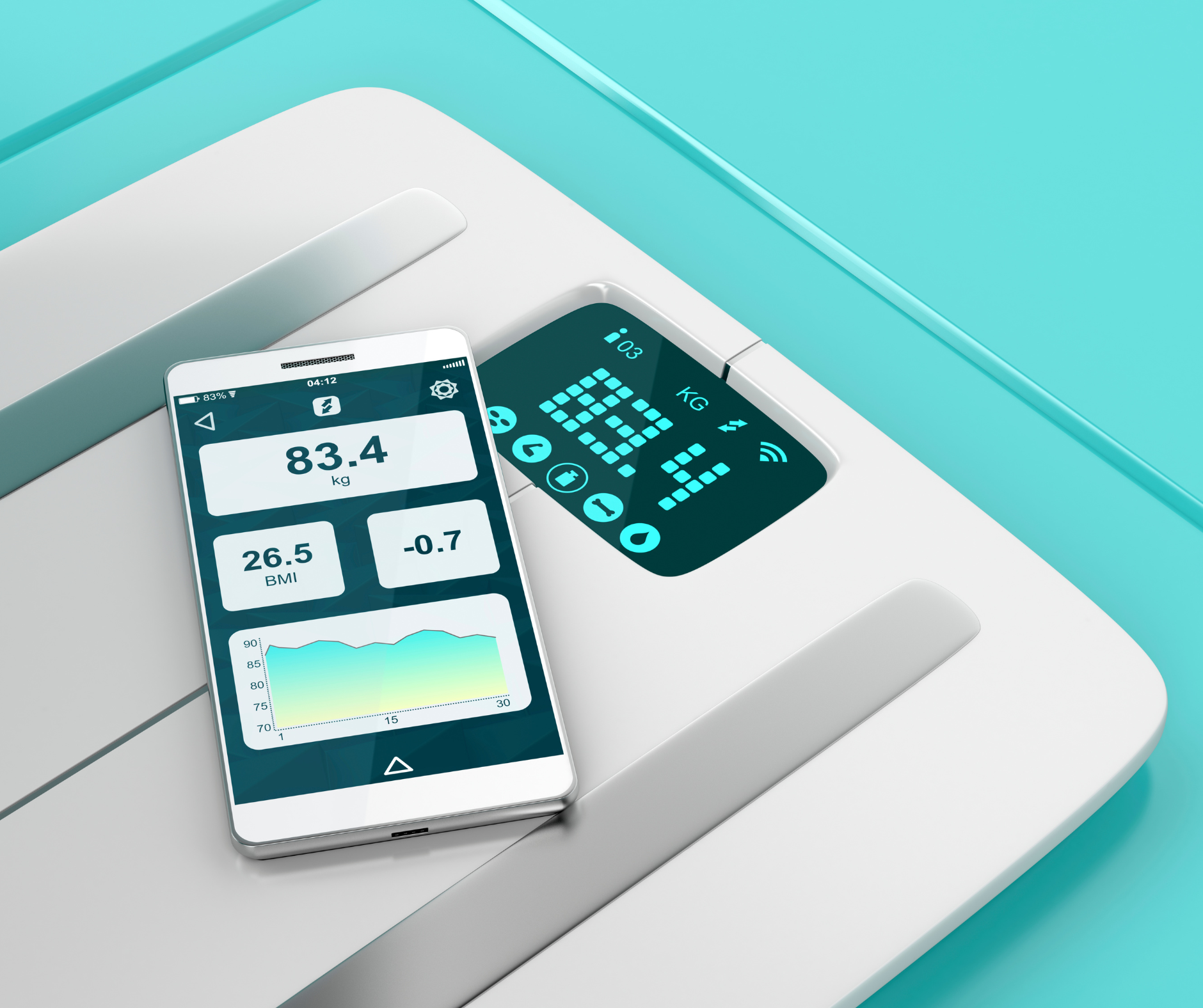
Chasing a lower number on the scale is like judging a movie by its first five minutes. Weight fluctuates daily due to water, food, and hormones (especially for women). Worse, when you diet aggressively for weight loss alone, you often lose muscle—the very tissue that keeps your metabolism alive and kicking.
Focus on body recomposition instead. That means losing fat while gaining muscle. You may stay the same weight but drop a dress size. Your waist shrinks, your shoulders broaden, and your energy skyrockets—even if the scale doesn’t budge. The scale is not always the best indicator for progress, especially when you are building muscle.
Recomposition happens through consistent strength training + adequate protein, not crash diets or endless cardio.
3
The Consistency Delusion
Thinking “Hard” Beats “Often”
Most people believe massive effort short-term beats moderate effort long-term. It doesn’t. Two weeks of perfect eating followed by two weeks of nothing yields zero progress. But 80% consistency over six months? That produces transformative change.
Your body doesn’t adapt to heroics. It adapts to frequency.
Go slow and grow from there. You may also want to have a backup plan when life happens and you fall off the wagon. Sometimes squeezing in a 30-min workout is better than none, and so is sticking to a healthy nutrition plan at a 70% instead of throwing it out the window altogether.
Being moderately flexible can save your progress and keep you mentally sane :) They key is having a clear, simple, and achievable plan.
The Bottom Line
You cannot rush tissue change. Muscle takes time to build. Fat takes patience to lose. The clients I’ve watched completely reshape themselves weren’t the strongest or most genetically gifted—they were the ones who kept showing up after the novelty wore off.
Stop asking, “Why isn’t this working yet?” Start asking, “Can I do this again next week?”
Persistence, not perfection, is the only shortcut.
Stay consistent. The results are coming—they’re just on a longer delay than your ego wants.