Why You’re Not Failing at Fitness
June 13, 2026The Transformative Power of Movement for Women's Health
We've all heard it: "Exercise is good for you." But what if movement could actually save your life—not just metaphorically, but in measurable, scientifically proven ways?
For women especially, research from around the world is clear: regular physical activity is one of the most powerful tools we have for protecting our mental health, building resilience, and enhancing the quality of our lives. I can tell you firsthand, fitness has changed and saved my life so many times than I can remember. If you’ve known me for a while, you must have heard me say “it keeps me sane” or “I train for other people’s safety” 😅
Now, let me show you why fitness matters so profoundly and why it might be the most important investment you make in yourself.
The World Health Organization emphasizes that physical activity benefits include improved all-cause mortality, cardiovascular health, mental health (reduced anxiety and depression symptoms), cognitive health, and sleep quality. That's a pretty impressive list for something as simple as moving your body. Who wouldn’t want that?
Here's the part that really gets me excited: adding as little as a 10-minute brisk walk to your daily routine was associated with nearly a year of additional life expectancy in inactive women. I mean, most of us can walk, right? And yes, walking is so underrated.
The WHO recommends adults get at least 150-300 minutes of moderate-intensity aerobic activity per week, or 75-150 minutes of vigorous activity, plus muscle-strengthening activities twice weekly. The good news? Every bit counts. As the WHO and I put it, "some movement is better than none".
Mental Health: The Hidden Superpower of Movement
When we move, something beautiful happens in our brains. Physical activity triggers the release of serotonin, dopamine, and endorphins—natural compounds linked to pleasure and reduced anxiety. It's like your body's own pharmacy, dispensing exactly what you need to feel better. My favorite movie quote: “Exercise gives you endorphins. Endorphins make you happy. Happy people just don't shoot their husbands; they just don't!"
A 2025 meta-analysis of randomized controlled trials found that physical activity significantly reduced both depressive and anxiety symptoms in women during menopause, with low-to-moderate intensity exercise producing remarkable improvements. Another network meta-analysis found that resistance exercise and mind-body exercise (like yoga and tai chi) showed the greatest therapeutic potential for alleviating depressive symptoms in postmenopausal women.
What if I told you that fitness can help you become more resilient? Not just physically, but mentally and emotionally too.
Here's something truly empowering: exercise doesn't just help you feel better in the moment; it actually makes you more resilient to stress in the future.
A comprehensive review from researchers in Poland confirmed that regular physical activity increases mental resilience, sense of meaning, and self-efficacy in women. Resilience was found to be a key mediator in the relationship between activity and mental health. The research highlighted that for many women, group activities and social support are particularly important—they help reduce isolation and provide stress regulators.
This means movement doesn't just help you cope with today's stress; it literally builds your capacity to handle tomorrow's challenges. How many times have you managed work better after a good workout the night before?
Fitness is Preventative Medicine
Exercise is powerful preventive care that reduces the risk of serious health conditions such as cardiovascular disease, cancer, type 2 diabetes, hypertension, and major mental health conditions like anxiety, to name a few. It has been proven to help alleviate symptoms of some autoimmune diseases such as connective tissue disorder, fibromyalgia, Rheumatoid arthritis, and Multiple sclerosis (MS).
For women navigating menopause, exercise becomes particularly important. The WHO specifically notes that physical activity for pregnant and postpartum women reduces risks of pre-eclampsia, gestational diabetes, excessive weight gain, and postpartum depression.
BREAKING BARRIERS
Let's be honest: despite all these benefits, women face unique barriers to regular exercise: lack of time, caregiving responsibilities, and the occasional low self-esteem. Many women feel they need permission to prioritize their own health.
Consider this your permission slip.
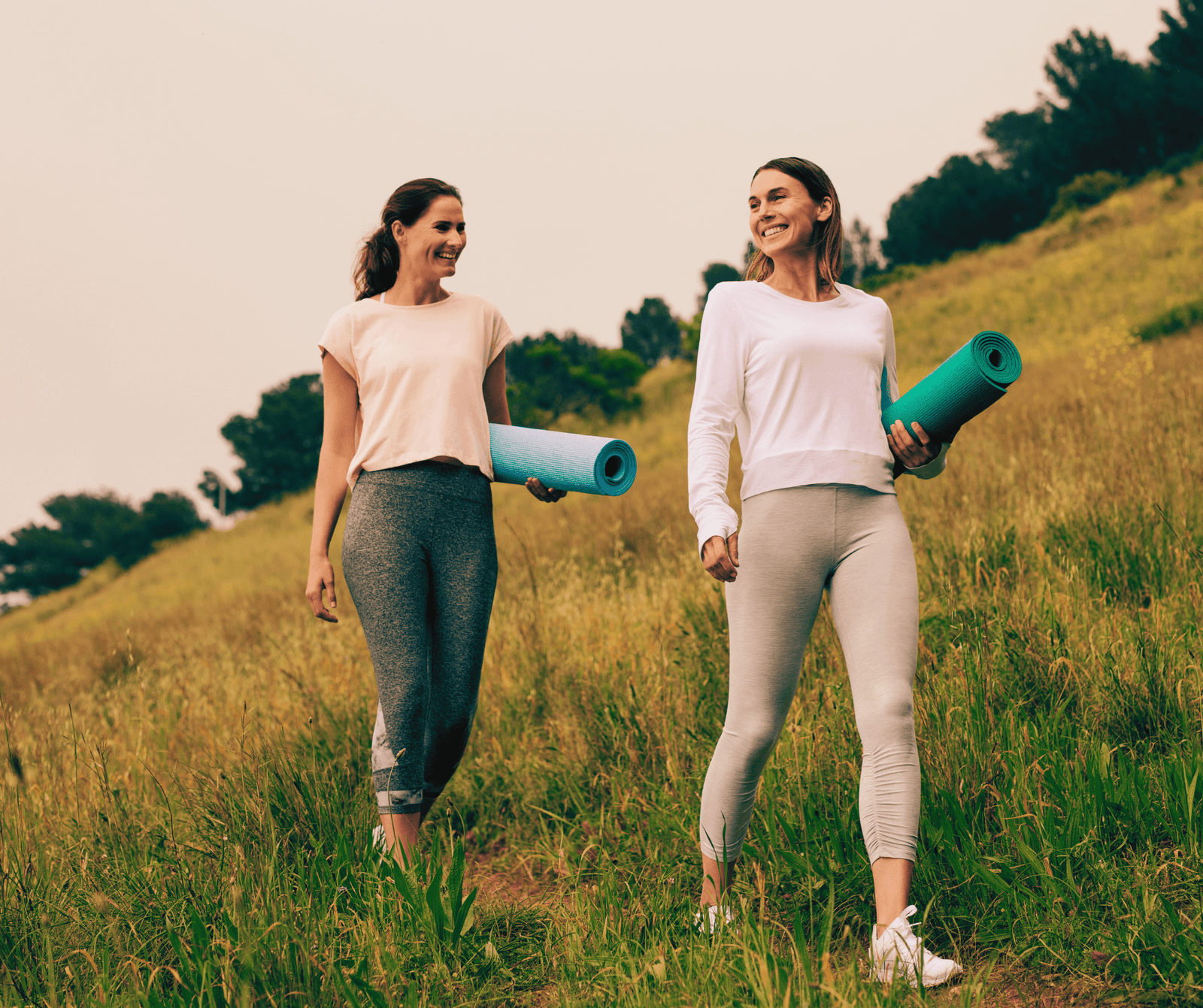
The beautiful thing about exercise is that there's no single "right" way to move. Whether it's brisk walking, swimming, strength training, yoga, dancing, or playing with your kids - the best exercise is the one you'll actually do consistently.
The WHO emphasizes that some activity is better than none, and that starting small and gradually increasing frequency, intensity, and duration is the way to go. I am a strong believer too! Any movement is better than none at all.
So here's my question for you: What would it mean to truly prioritize your health - not just for the way you look, but for the way you feel, cope, and live?
Fitness isn't about punishment or perfection. It's about giving yourself the gift of resilience, the protection of prevention, and the possibility of a longer, fuller life.
You don't need a gym membership or fancy equipment. You just need to move - in whatever way feels good to you - and keep moving, one day at a time.
Your body is capable of incredible things. Your mind is stronger than you know. And your future self is waiting to thank you for the choices you make today.
Let's get moving. Your life - in every sense - is worth it!